
- July 16
- June 25
- In-Person
- Lethbridge
- $250
Event Ticket Refund Policy
Farming Smarter offers a 100% refund minus a $25 administration fee 14 days prior to any event.
Farming Smarter offers a 50% refund minus a $25 administration fee 13-7 days prior to the event.
There are no refunds after 7 days in advance of events.
All registrations and ticket purchases are transferrable at any time, just contact our team.
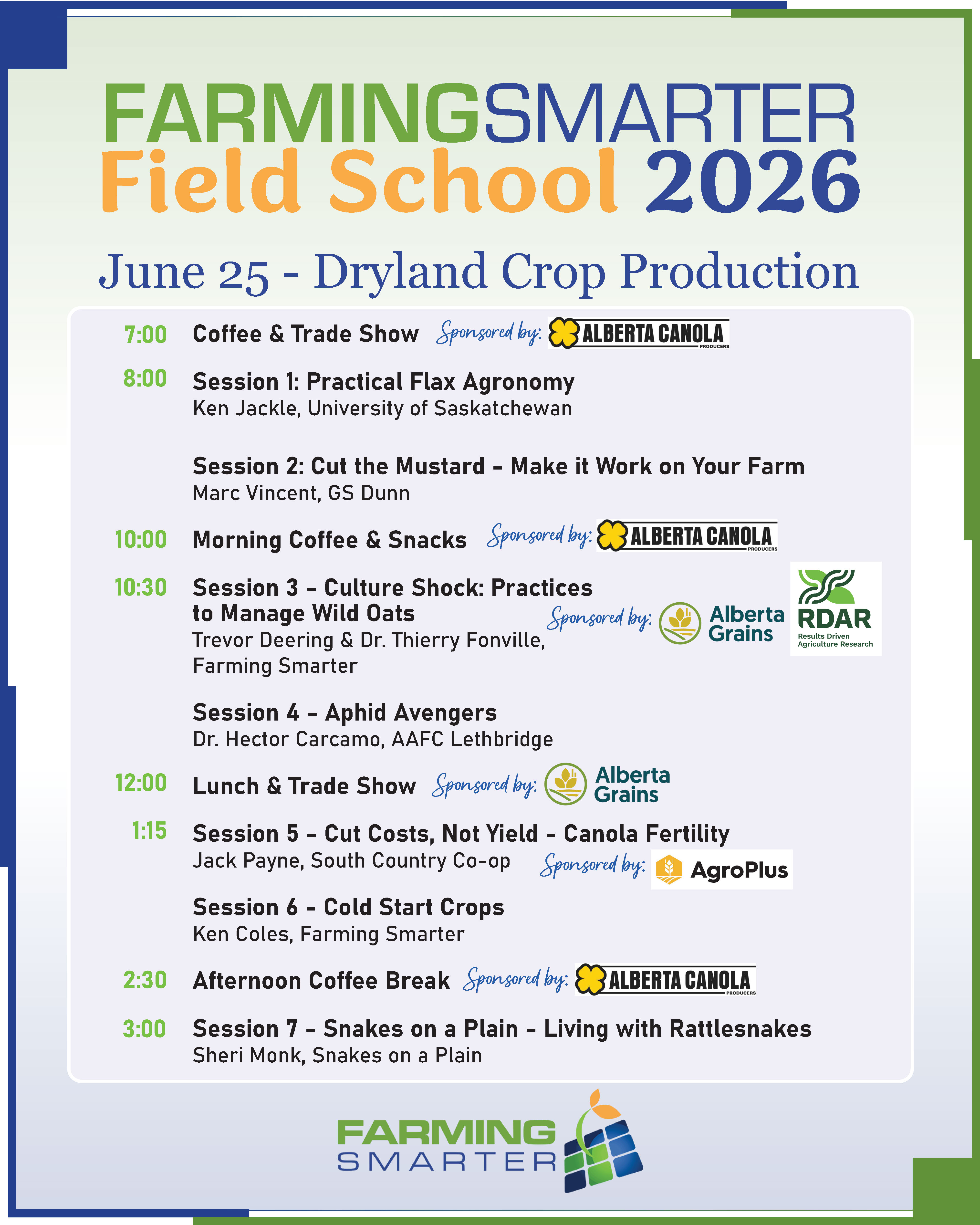
June 25 Event Agenda
Time |
Session Title |
Speaker |
CEUs |
| 7:00 |
Coffee & Trade Show |
||
| 8:00 | Practical Flax Agronomy | Ken Jackle, University of Saskatchewan |
Crop Management |
| Cut the Mustard - Make it Work on Your Farm |
Marc Vincent, |
Crop Management | |
| 10:00 | Coffee & Trade Show Break | ||
| 10:30 | Culture Shock: Practices to Manage Wild Oats | Trevor Deering, Farming Smarter |
Pest Management |
| Aphid Avengers | Dr. Hector Carcamo, Agriculture & Agri-Food Canada |
Pest Management | |
| 12:00 |
Lunch & Trade Show |
Catered by Prime Catering! | |
| 1:15 | Cut Costs, Not Yield - Canola Fertility | Jack Payne, South Country Co-op |
Nutrient Management |
| Cold Start Crops | Ken Coles, Farming Smarter |
Crop Management | |
| 2:30 | Coffee & Trade Show Break |
||
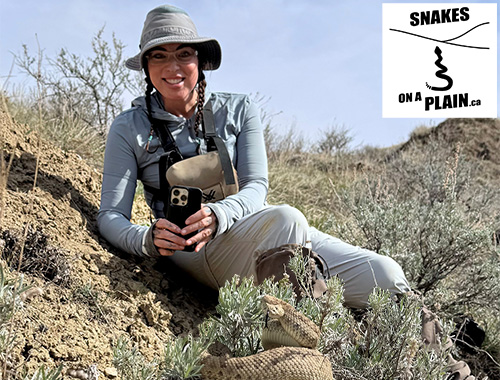
| 3:00 | Snakes on a Plain - Living with Rattlesnakes | Sheri Monk, Snakes on a Plain |
 |
Meet Our Speakers - June 25
|
|
Practical Flax AgronomyKen Jackle brings nearly two decades of flax agronomy wisdom to share the best management practices growers can take to start growing dryland flax in southern Alberta. He's eager to share insights, both as a researcher and farmer, to help you bring flax to your operation. Bring your notepad - Ken's ready to take your questions! Ken grew up on a mixed farm in southwest Saskatchewan, near the Great Sandhills. After completing his schooling, he joined the Crop Development Centre at the University of Saskatchewan. He worked in the Wheat Breeding Program for 18 years before transferring to the Flax Breeding Program for the last 18 years. He is responsible for the creation, maintenance, data collection and harvest of all the trials for the successful Flax program. He is always willing to assist producers who have questions about Plant Breeding and flax production. |
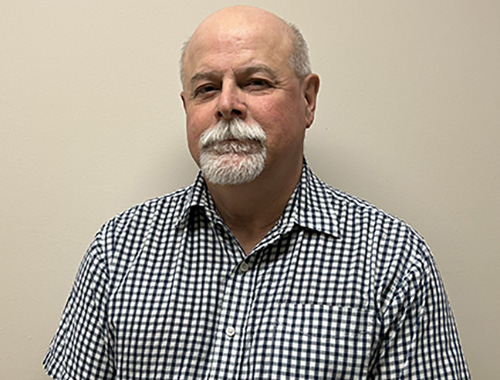
Cut the Mustard - Make it Work on Your FarmMarc Vincent will review the benefits and challenges of growing mustard in Southern Alberta. He will discuss rotational benefits, best management practices to improve returns, on-farm challenges and where mustard would be the best fit to incorporate into your rotation. Marc Vincent is a 5th generation mixed grains farmer from Eastern Manitoba. He completed his schooling in the department of agriculture at the University of Manitoba in Agronomy, Plant Breeding and Genetics. He has been a plant breeder in numerous crops for the past 20 years. He has a passion for agronomy and research and has been running small plot and on-farm research trials for the past 10 years. These trials have focused on testing products to improve yields. Marc currently is the Director of Agronomy, Research and Procurement with GS Dunn. His agronomy knowledge and expertise spreads across Alberta, Saskatchewan and Manitoba. |
Marc Vincent, |
|
|
Culture Shock: Practices to Manage Wild OatsWild oats remain a persistent challenge across the Canadian Prairies. At Farming Smarter, we believe that practical management practices can turn the tide. Through documented experimentation, we are creating tangible learning opportunities for on-farm implementation. Supported by RDAR and Alberta Grains, our wild oat demonstration utilizes a multi-pronged, layered approach to mitigate this epidemic. Trevor Deering is a results-driven agricultural researcher dedicated to providing high-caliber, third-party data that helps clients accelerate the commercial innovation of their products and services. With a background rooted in both academic rigor and industry-leading field practices, Trevor bridges the gap between complex agricultural science and actionable results. |
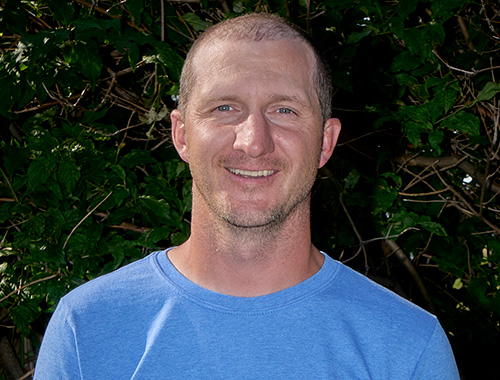
Culture Shock: Practices to Manage Wild OatsWild oats remain a persistent challenge across the Canadian Prairies. At Farming Smarter, we believe that practical management practices can turn the tide. Through documented experimentation, we are creating tangible learning opportunities for on-farm implementation. Supported by RDAR and Alberta Grains, our wild oat demonstration utilizes a multi-pronged, layered approach to mitigate this epidemic. Dr. Thierry Fonville is Farming Smarter’s very own Ph.D. Research Scientist, bringing a unique, multidisciplinary perspective to our agronomy program. By blending his deep expertise in soil health with a rigorous scientific background, Thierry is dedicated to uncovering the relationships between farm management practices, nutrient availability, and long-term carbon sequestration. |
|
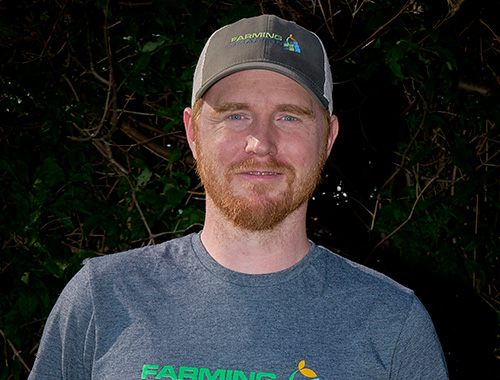
 Dr. Héctor Cárcamo, Agriculture & Agri-Food Canada, Lethbridge |
Aphid AvengersAphids and lygus bugs can reach pest levels in many crops, such as lentils. In some cases, natural enemies can build up and help reduce pest numbers to a level that reduces the need to control them. In this hands-on presentation, participants will learn to distinguish lygus and aphids, both adults and immature stages, as well as recognize some of the key natural enemies that are helping us manage these pests. Héctor Cárcamo is a Senior Research Scientist with the Science and Technology Branch of Agriculture and Agri-Food Canada at the Lethbridge Research and Development Centre, located near Lethbridge in southern Alberta. For the past 27 years, he has been researching management strategies for insect pests of canola, cereals, alfalfa and pulse crops. His BSc and MSc are from the University of Alberta (Agricultural Entomology) and PhD from the University of Calgary (Biological Sciences). |
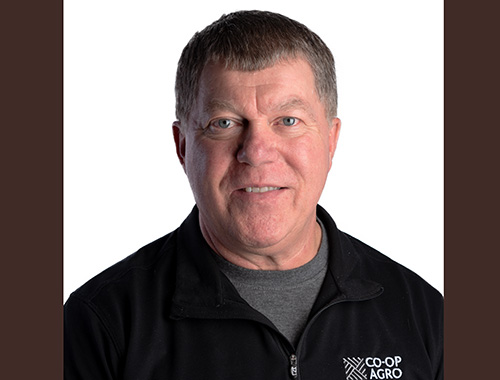
Cut Costs, Not Yield - Canola FertilityReducing fertilizer rates is a great way to cut costs, but is it great for your crop? Jack Payne takes an in-depth look at how you can limit your fertilizer rates without cutting into your canola yield. This session will explore canola’s nutrient needs at each crop stage, the best times to apply fertilizers and what’s actually happening when you reduce inputs. Jack Payne is currently the Agronomy Solutions Manager for South Country Co-op Ltd. He is responsible for technical support, applied research trials, design and delivery of professional development programs for their GROW Team advisors. Prior to joining Co-op, Jack worked with Farmers Edge as an Operations Coordinator. He was an Instructor at Olds College for 15 years, where he taught courses in pest management, soils, and fertilizer management. He also spent 12 years with Alberta Agriculture working as a District Agriculturist and Regional Soils Specialist in southern Alberta, where he focused on soil salinity management and reduced tillage. Jack grew up on a grain farm in west central Saskatchewan and received his formal education at the University of Saskatchewan. |
|
|
||||
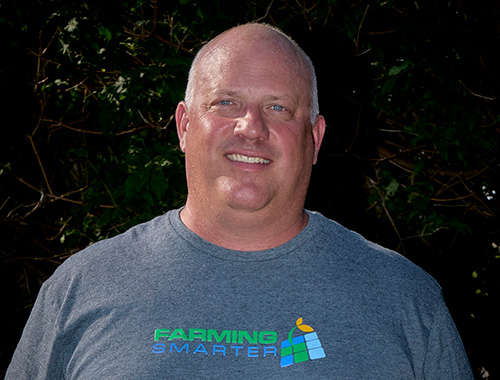
Hands-on learning returns, June 25 & July 16!
Southern Alberta's go-to summer event for agriculture learning and knowledge sharing brings you wisdom from the field with hands-on demonstration over two days, full of fantastic opportunities for research updates and community mingling. Surround yourself with other innovative minds from farms, research, and industry who all want to grow their skills to succeed at the Farming Smarter Field School.
|
||||
Register for just one event:
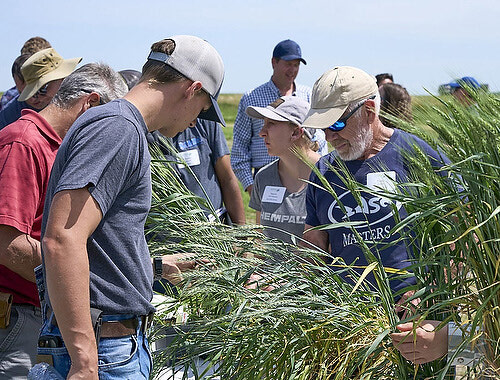
It's time to take to the field and learn the latest innovative updates in southern Alberta agriculture! Field School opens June 25 to bring you the latest agronomy knowledge & skills.
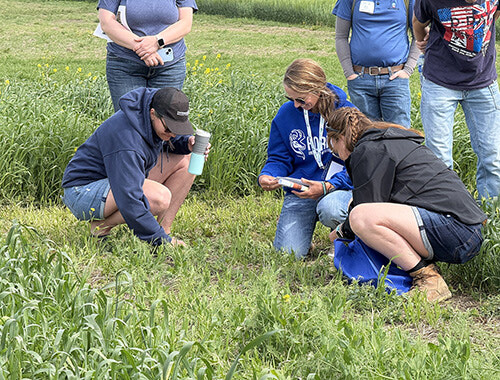
Farming Smarter's Field School brings you back to the field, July 16, for hands-on learning with specialty crops and the latest in irrigation!
Venue
Farming Smarter211034 Highway 512Lethbridge County, AB T1J 5N9 |
A Big Thank You to Our Great Sponsors! |
|||
 |
 |
 |
 |
 |
 |
 |
 |
 |
|||
Other Events
It's time to take to the field and learn the latest innovative updates in southern Alberta agriculture! Field School opens June 25 to bring you the latest agronomy knowledge & skills.
Farming Smarter's Field School brings you back to the field, July 16, for hands-on learning with specialty crops and the latest in irrigation!