
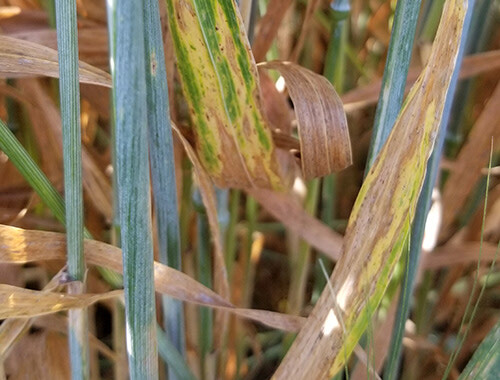
Leaf spotting diseases commonly occur on spring wheat crops grown in Saskatchewan, causing yield losses of up to 15%, although greater losses have been documented during severe epidemics.
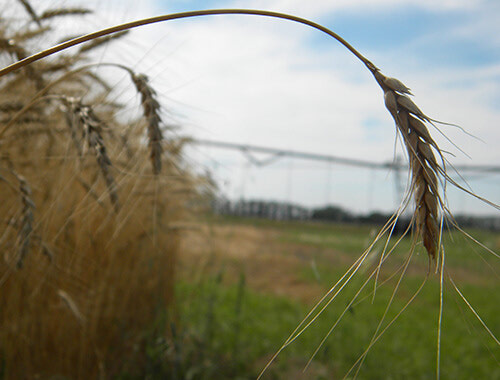
We conducted a 26 site-year, direct-seeded study across Western Canada to observe the responses of the winter wheat cultivar CDC Buteo to five levels of seed treatment and two levels fall-applied fungicide.
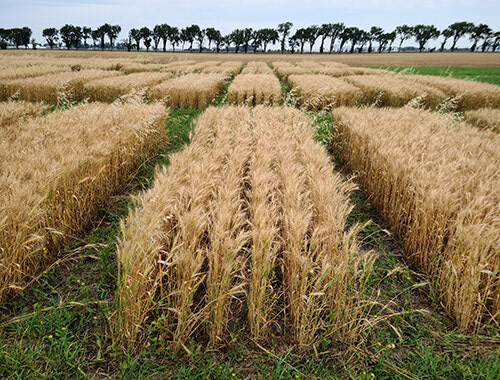
Poor stand establishment resulting in lower yield is a major constraint to expanding winter wheat (Triticum aestivum L.) across western Canada. We conducted a study totaling 26 site-years over three growing seasons to observe crop responses to system manipulations.
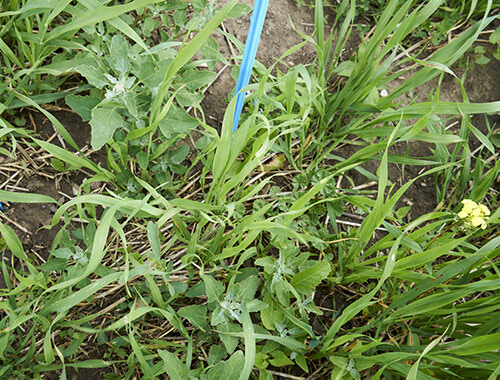
In response to concerns about acetolactate synthase (ALS) inhibitor-resistant weeds in wheat production systems, we explored the efficacy of managing Bromus spp., downy and Japanese bromes with spring & fall-applied alternative herbicide treatments in a winter wheat system.
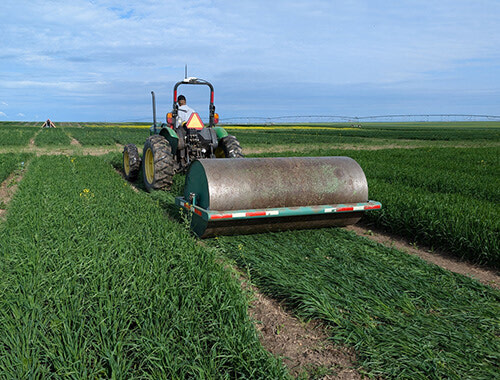
Farmers have wondered which timing provides the most benefits from rolling wheat and barley. After completing 9-site years, we have revealed the clear and consistent effects of rolling timing on crop health for multiple growth stages.
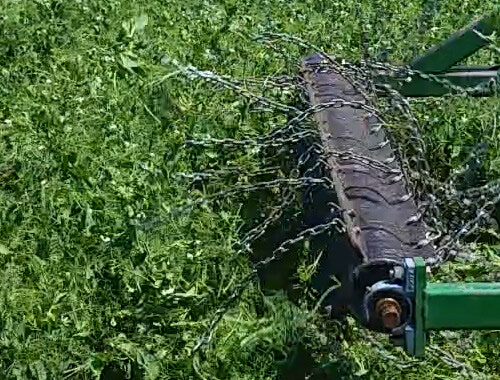
Crop losses from hail damage vary with intensity, timing and spatially. Producers have few options available after hail damage other than reseeding, silaging/greenfeeding or waiting to harvest what remains.
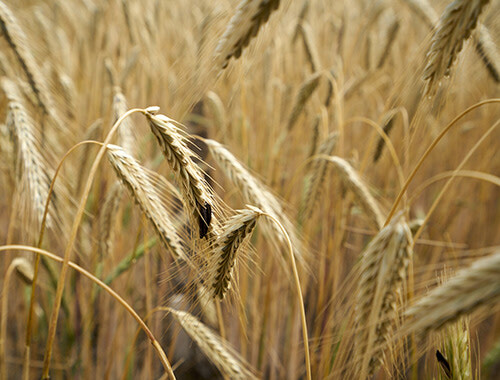
Two experiments were conducted to measure the responses of winter wheat to enhanced efficiency N fertilizers and timing/placements across the Canadian Prairies.
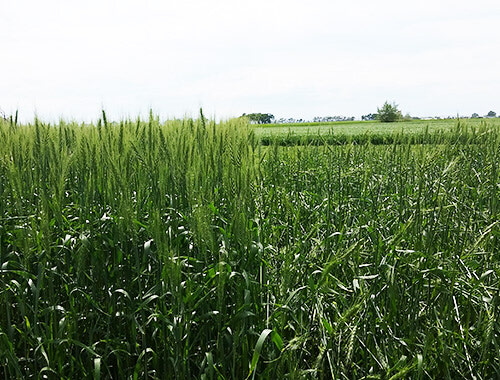
Crop losses from hail damage vary with intensity, timing and spatially. Producers have few options available after hail damage other than reseeding, silaging/greenfeeding or waiting to harvest what remains.